
Do you actually need an Omega 3 supplement?
If I’ve prescribed you an omega-3 supplement, or you’ve found yourself standing in the supplement aisle wondering if this is a supplement worth adding to your stack, this article is for you.
Omega-3 is one of the most researched nutrients in clinical nutrition, and unfortunately one of the most poorly dosed. Most products you find on the supermarket shelves contain a fraction of what's needed for a therapeutic effect. Meanwhile the fish oil you bought 12 months ago, that's now sitting on your kitchen bench, may be rancid causing more problems than it’s solving.
What you need to know: EPA and DHA
Before we deep dive into the particulars that I cover for those who want it, here’s the basics that you need to know first. EPA and DHA. They’re not interchangeable and understanding the difference between them will make everything that follows make a lot more sense.
EPA is the anti-inflammatory one. Think calming, settling flares, reducing the fire within.
DHA is the structural one. Think building material especially within the brain, eyes and nervous system.
Most products will (should) have a blend of these two together, but it's the ratio that changes what the product is actually good for in a therapeutic sense. Keep this in mind as I explain below and I’ll cover the full picture from doses, food sources and choosing a decent product in this deep dive.
Where Omega-3 makes a difference in your body
Skin Issues
Eczema patches that flare with stress, skin that's dry, irritated, scratching through the night?
Think of your skin barrier like a brick wall and fats are like the mortar holding the bricks together. The fats you consume show up in the wall and how your skin behaves. When the mortar is made of too much omega-6 and not enough omega-3 the wall gets reactive with unstable mortar and this is a contributing factor in cases like eczema and irritated skin.
EPA calms the overreactive immune response in the skin, one study showed a daily dose of combined DHA and EPA over 4 months showed improvement in symptoms and quality of life. [1]

ADHD and brain function
If your child can’t sit still through dinner, meltdowns come out of nowhere, struggling with focus, brain fog or executive function?
Those with ADHD tend to run lower in omega-3 than others and ensuring that levels are boosted to optimal levels with a combination of EPA and DHA has shown to have a measurable effect on attention with trials that ran for 4 months or longer making all the difference [2]. This is a slow burn at the proper dose, given time to build up where evidence is strongest.
Mental Health
Flat mood that won’t lift, snapping at the kids, that background hum of anxiety under the surface or laying awake exhausted but wired at the same time?
Omega-3 supplements aren’t all the same for mood and this is one area I feel most strongly about. Studies have shown that DHA heavy formulas haven't moved the needle on depression. What actually works here is EPA - especially when it makes up at least 60% of the dose. Below that threshold we don’t see an impact [3][4] This was tied to a drop in inflammatory markers too and similar results for anxiety cases [5][6]. Bottom line for mood conditions we need an EPA dominant formula at a proper dosage to make an impact here.

Metabolic Health: Weight and Blood Sugar Regulation
Weight that won’t shift when you’ve tried everything? Sugar cravings mid afternoon or at night, energy crashes after meals?
Omega-3 doesn’t melt away fat, but there's a big underlying element that sits under stubborn weight and blood sugar swings… inflammation, and a body that has stopped responding to insulin.
Chronic low-grade inflammation is a major driver of insulin resistance and omega-3s' job is calming that inflammation down even within the fat tissue. A trial found that people with blood sugar issues who took omega-3 saw improvement in smaller waist circumference, better triglycerides and better fasting blood sugars - their body started responding to insulin again. [7]

Joint health, Pain and Inflammation
Stiff achy joints when you get out of bed, knees or hands that complain more than they used to, a body that just isn’t bouncing back after activity?
One of the most indicated conditions for omega-3 usage, especially in auto-immune inflammatory conditions like rheumatoid arthritis (RA). With a double blind trial of omega-3 supplementation, combined EPA and DHA, in people with active RA for 12 weeks showed less morning stiffness, less pain flares, fewer swollen joints [8].
Heart Health
Family history of heart disease, cholesterol or blood pressure flagged?
One of the strongest areas of research on omega-3 usage. A recent study has shown strong daily dosages of EPA in people with high triglycerides found a quarter fewer major heart events, the pattern being the higher and more purified the EPA dose the stronger the protection [9]
Women's Health and Hormonal Balance in Perimenopause and Menopause
From period pain to hot flushes, mood swings, brain fog and losing track of your thoughts mid sentence?
Your brain is one of the most DHA-rich organs in the body and it is protected and nourished in its function by oestrogen - the very hormone that begins fluctuating with perimenopause alongside unpredictable sleep and moods. It makes sense that protecting the brain with DHA and EPA when it is no longer able to rely on oestrogen so we can boost the antiinflammatory impact when inflammation can drive so many symptoms at this time of life.
The research is sparse here, unfortunately not surprising in the women's health field but we can continue to protect and support whilst the research catches up. Same goes for inflammatory cycle challenges like endometriosis or painful periods.

Pregnancy and Fertility
If you have been trying to conceive without success, anxiety about miscarriage or early labour or just want to give your baby the best possible start.
Omega-3 genuinely improves the odds of conceiving both naturally and via IVF, theoretically improving egg quality, calming inflammation and improving blood flow to reproductive organs. [10]. A major review, covering close to 20,000 women found high dose omega-3 cut the risk of preterm birth almost in half. DHA is the priority in pregnancy as its the key building block in a baby's brain and eyes. Most prenatals only have 200mg and studies show we need up to 1000mg of combined EPA and DHA to be effective, starting before 20weeks [11].
For Kids
Fussy eaters who won’t touch fish or seeds? Falling behind at school and struggling to focus?
DHA is a main building block of a growing brain and it doesn’t stop with infancy but all the way through childhood development.
One study gave healthy yet struggling at school, 7-9 year olds a daily dose of algal DHA for 16 weeks and saw improvement in behaviour and learning parameters - specifically reading improvements. This was not targeted towards kids with diagnosed learning difficulties [12][13]

The full breakdown of Omega-3
Omega-3 is a type of polyunsaturated fatty acid (PUFA). They are known as our essential fatty acids (EFAs) because our body cannot make them on its own. We need to acquire them from our diet or a supplement.
There are three main players:
ALA (alpha-linolenic acid) - plant based found in flaxseed, chia, walnuts, and hemp.
EPA (eicosapentaenoic acid) - found in marine sources like fatty fish and algae, this is our main precursor for anti-inflammatory signaling molecules.
DHA (docosahexaenoic acid) - Also found in marine sources and is the dominant omega-3 in our brain and retinal tissues.
ALA has to be converted into EPA and DHA before your body can put it to use.
Think of ALA as raw wood, and EPA/DHA as the fire itself. Your body can technically turn wood into fire, but the conversion is using up energy resources, most of the wood is lost as smoke rather than becoming usable flame. Only around 6% of that wood becomes fire-equivalent EPA, and closer to 3.8% becomes DHA.
So if you're relying purely on wood (plant sources) to keep the fire burning, you need to be piling it on constantly. Whereas eating fish or algae is like being handed the fire already lit, no conversion, no waste, straight to usable energy. [14][15] This is why a diet based purely on plant based sources will be inefficient without marine sources to therapeutically restore after depletion.
Omega-6 and Omega-9 and why they matter too
Whilst omega-3 EFAs are a precursor to anti-inflammatory signalling molecules, omega-6 are precursors to a pro-inflammatory pathway.
Omega-6 is found in seed oils, processed foods, and conventional cooking oils. Sure it is essential in small amounts but we must acknowledge that it competes with the Omega-3 anti-inflammatory pathway [16]. So whilst needed in small amounts, we need way more omega-3 in our diet to balance out omega-6 and this is where the modern ultra-processed food world of convenience is creating an imbalance somewhere between 10:1 or even 16:1 in the favour of omega-6 and that is promoting the pro-inflammatory pathway I see all the time in clinic. Especially in burnt out mums who may lean on convenient pre-packaged foods to survive in times of depletion and no capacity.
Omega-9 like oleic acid, it is found in olive, avocado and macadamia oils. It isn’t one of our essential fatty acids because our body can make it but it’s important to note it’s another anti-inflammatory power house and helps to buffer the omega-6 load when you replace seed oils with these ones in cooking.
Natural sources and how to get enough from your food
For most of human history Omega-3 and Omega-6 were in the diet at mostly a 1:1 ratio. This was when our ancestors were eating wild, seasonal whole animals nose-to-tail. Waters were unpolluted and eggs came from birds who foraged, not fed industrialised grains. It was all just food eaten close to where it grew, where it was hunted or swam.
Industrialisation hasn’t just changed the foods that we eat, but it’s changed our relationship with it and our connection to our environment. Seed oils, grain-fed meat, and ultra-processed convenience foods pushed that 1:1 ratio to a 10:1 or even 16:1 ratio in the average modern diet. Many of the symptoms I see in the clinic, from the period problems that have become “normal”, the gut that is sensitive to everything and the mental noise that won’t let you feel settled, they’re not just inflammatory markers on your pathology. But they are the real lived experience of a body that has drifted from the rhythm it was divinely designed to thrive within.
None of this is said to bring shame or put unrealistic expectations on you to eat like the wild woman living in this modern world. It’s about recognising that making the choice to include oily wild caught fish where you can, isn’t just a status symbol, it’s a return to your body's natural state.
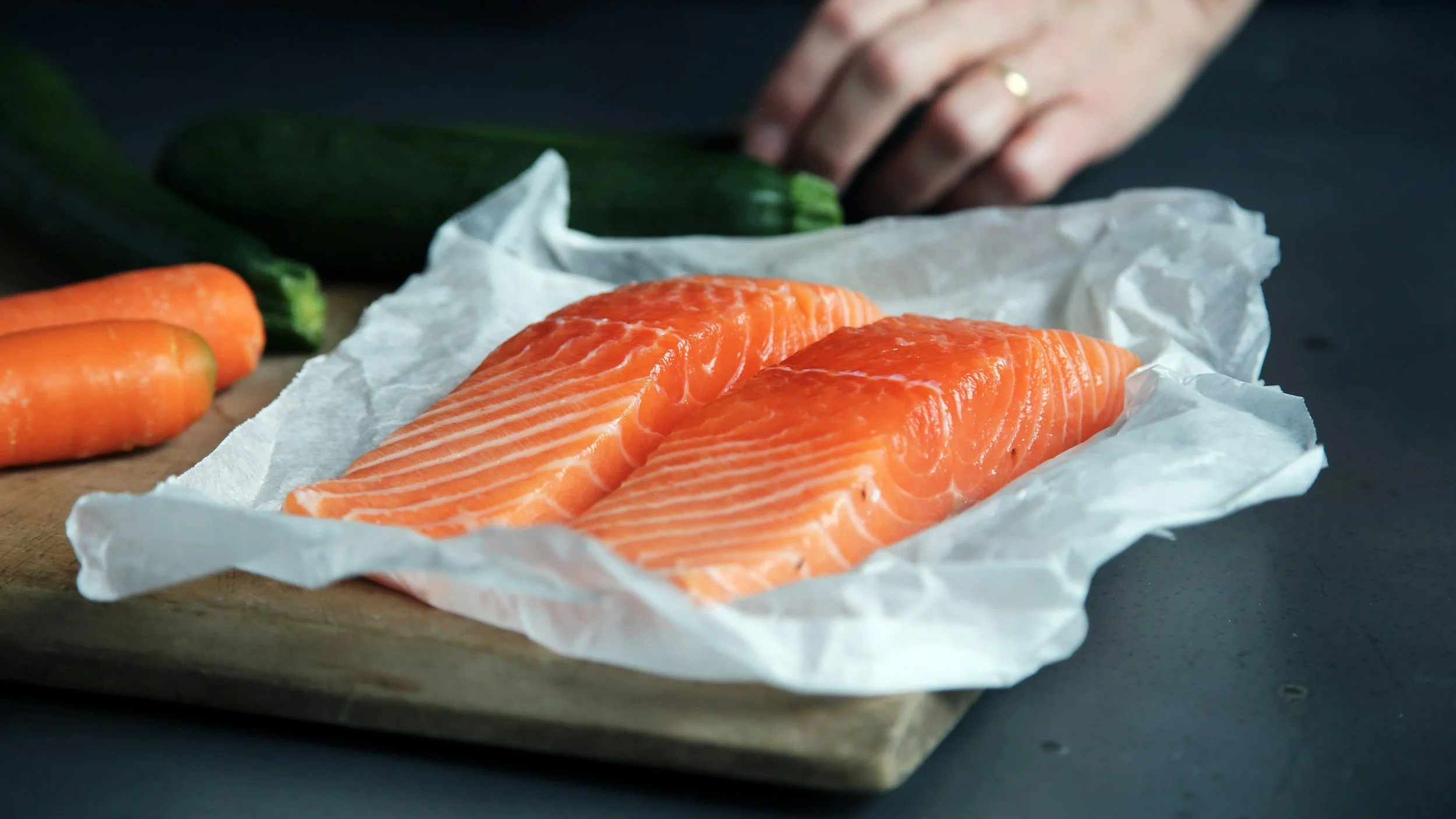
The richest source of EPA and DHA food sources are fatty, cold water fish: Salmon, sardines, mackerel, anchovies and herring. A maintenance amount in the diet is 250-500mg daily and across your week that looks like two to three serves of these fish preserved in a way to keep the fats - poached, baked, gently pan fried - no deep frying or char grilling. [17]
Including plant sources like flaxseed, chia, walnuts, hemp seeds will contribute by providing a source of ALA, and these are very beneficial for their broader nutritional profile and as a valuable source of plant fibre, but remember as covered above they are a poor substitute for marine sources of omega 3 if you are working to restore after depletion, inflammatory condition or a nervous system that needs more support.

Building realistic Habits
My preference is to build food habits that sustain long term health, rather than lean on supplements indefinitely. Supplementation has its place, and yes I will often go there if we are needing to restore a body's systems but I will always be moving you in the direction of food. The deeper work is rebuilding a way of eating your family can sustain, not just a short term protocol.
I see this as generational work. Your children are watching you cook, eat and enjoy food. This becomes their baseline for normal. A child who grows watching their parents gag over fish will have a different approach than a child who sees their parents enjoy a beautiful salmon steak with steamed leafy greens. I wasn’t bought up eating fish, and many of my clients tell me the same story, they either don’t like it or don’t know how to cook it. And I was there myself too.
So this isn’t about arriving at some perfect fish loving family overnight. It’s about starting somewhere even clumsily so the next generation gets a head start back into the right direction.
Practically this could look like:
A tin of sardines or good quality salmon as a standard pantry staple to add to toast, crackers, salads.
One fishy family dinner a week, we love salmon with greens or baked fish with chips or a salmon pasta bake.
Ground flax, chia and walnuts stirred through our morning porridge or added to baking. Adding hemp seeds to sprinkle on salads or in stir-fries or on top of peanut butter and banana toast.
Swapping out seeds oils in everyday cooking to olive or macadamia oil, ghee or tallow to help balance out your omega-6 to omega-3 ratios.
Getting the kids on board in the kitchen to help with prepping the fish for dinner, picking the herbs, stirring the marinade, experimenting with flavours. This builds their relationship with the food again.
We don’t expect perfection when working together, this is a journey of discovering what works for your family and finding ways to include dietary omegas in an unremarkable way that becomes so much a part of your daily life that it is just accepted as the way you live.
When you may need to supplement
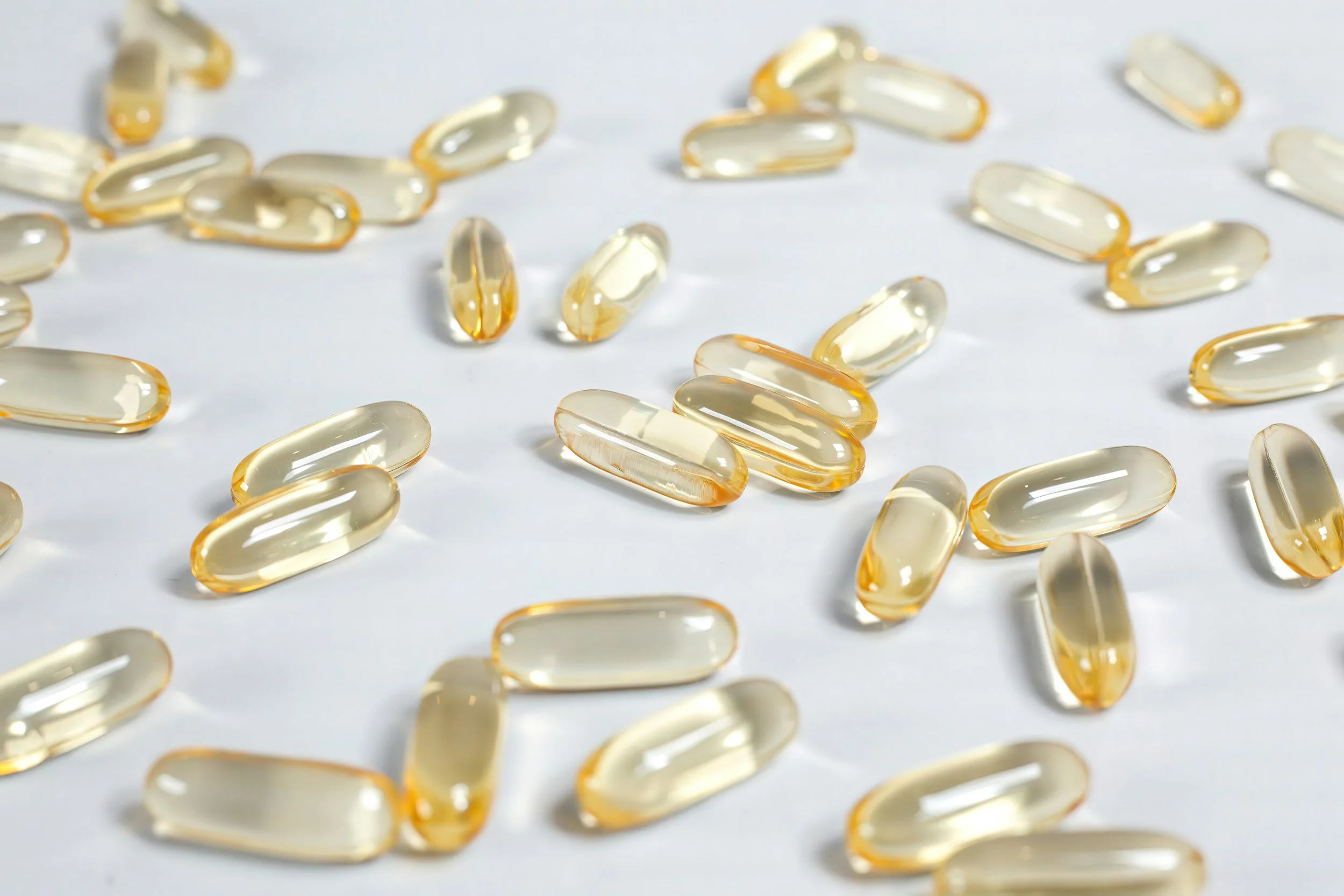
Whilst diet alone may be great for some. For others, particularly those chronically depleted, long term stressed, breastfeeding or managing inflammatory or mood related conditions we need more than food to close the gap.
Signs I see clinically:
Dry flaky, eczema prone skin that is not responding to topical treatment.
Low mood, flat or numb, nervous system that is wired-tired.
Joint stiffness or low grade aches without structural cause.
Postpartum depletion, especially after back to back pregnancies and long term breastfeeding.
In children with attention, mood or sensory regulation difficulties.
The most accurate way to review your Omega-3 status is using an Omega-3 index, a blood test measuring the percentage of EPA and DHA present in your red blood cell membranes. An index score of 8-12% is considered optimal for a reduced risk of chronic disease. The average person is sitting around 4-5% which is deficient. Your GP may be able to order these speciality tests or you can talk to a clinical naturopath like myself for functional testing options.
We don’t always need to test though when we can track symptoms alongside therapeutic dosing with assessments every 8-12 weeks. This is what I do with my clients in ongoing consultations.
Ratios and minimum dosages for effect
There’s no standard “right” dose of omega-3 it completely depends on what we are treating.
General maintenance: for a healthy person, a combination of EPA and DHA that is at least 250-500mg per day is enough for general health. This looks like 2 servings of oily fish a week.
Cardiovascular disease and elevated triglycerides require clinical dosages that are higher depending on blood pressure.
Mood and inflammation driven presentations climb even higher again and this is where I am more interested in the ratio of EPA to DHA.

Algal Oil, Krill and Vegan Options
Algal Oil is DHA and sometimes EPA sourced from marine microalgae - the microorganisms that fish get their omega-3 from in the first place. It’s the gold standard for those who don’t eat fish.
Vegetarians and vegans should consider 200-300mg daily of algal oil although I would be dosing therapeutically for anyone actively depleted or symptomatic.
Krill oil delivers EPA and DHA bound to phospholipids which based on research has shown to improve absorption though the capsule dose is usually lower than a fish based supplement.
Cod liver oil is a source of omega-3 as well as vitamin A and D, this can be really beneficial but please review intake of vitamin A especially if taking alongside other supplements or if you’re pregnant.
Choosing the right supplement
Supermarket shelves ain’t it. Most supermarket or super chemists “Fish Oil” supplements are not always the best sources of Omega-3, look on the back of your bottle and they might only have say 100milligrams of combined EPA DHA, which is 1/10th of what you need and it's actually filled with other forms of monounsaturated fatty acids.
You would need an uncomfortable amount of capsules to reach a therapeutic dose this way.
They are also rarely third party tested for oxidation, heavy metals or microplastics.
Omega-3 fats are chemically unstable and prone to oxidation from heat, light and air. Rancid oils not only taste bad, they lose their capacity to convert to the resolving compounds and become pro-oxidant instead of anti-oxidant causing more problems than they are solving. [18]
Microplastics have been found in omega-3 supplements, with a study showing 16+ particles per daily serving. [19]
This is why I prescribe my clients practitioner grade products that have undergone third party testing for over 460 environmental parameters including heavy metals, pesticides, microplastics and oxidation markers to ensure purity and freshness.
SPMs: What They Are and Why They're in Some Practitioner Products
SPMs (specialised pro-resolving mediators, including resolvins, protectins and maresins) are compounds your body makes from EPA and DHA once they're in your system. They're not just anti-inflammatory, they're the signal that tells your body an inflammatory response is done and it's time to repair.
Why I include them: if you're someone who runs hot, whose body flares rather than settles (skin, gut, joints, or a nervous system that stays wired long after the trigger has passed), your inflammatory response may be firing without a clear off-switch. SPMs support that off-switch directly, helping your body actually resolve inflammation rather than just suppressing it. This is why I reach for SPM-inclusive formulas specifically for my flare-prone clients, not as a blanket addition for everyone.
In conclusion
Omega-3 is not a wellness trend but a necessity our diet has included from ancestral times and now modern convenience is slowly pushing aside to the detriment of our wellbeing.
If you’ve read this far you already know your family’s story doesn't fit neatly into a single indication. Maybe it’s your mood alongside your child's behaviour. Whatever it is in your family, together we can work out what you need best by having a conversation around your exact needs and presentation.
If you want to delve into your health holistically, assessing what is actually needed rather than guessing, and build rituals and rhythms for your whole family to live in health with, book a free connection call. I’ll help you work out exactly where you sit in all of this and how we can best support what your health needs.

REFERENCES
[1] Niseteo T, Hojsak I, Ožanić Bulić S, Pustišek N. Effect of Omega-3 Polyunsaturated Fatty Acid Supplementation on Clinical Outcome of Atopic Dermatitis in Children. Nutrients (2024). PMID: 39275147.
[2] Chang JP, Su KP, Mondelli V, Pariante CM. Omega-3 Polyunsaturated Fatty Acids in Youths with Attention Deficit Hyperactivity Disorder: a Systematic Review and Meta-Analysis. PMID: 28741625.
[3] EPA but not DHA appears to be responsible for the efficacy of omega-3 LC-PUFA supplementation in depression: evidence from a meta-analysis of RCTs. PMID: 20439549.
[4] Meta-Analysis of the Effects of Eicosapentaenoic Acid (EPA) in Clinical Trials in Depression. J Clin Psychiatry.
[5] MGB Psychiatry News. Higher Doses of Omega-3 Fatty Acids Effective for the Treatment of Depression Associated with Inflammation.
[9] Recent Clinical Trials Shed New Light on the Cardiovascular Benefits of Omega-3 Fatty Acids. Methodist DeBakey Cardiovascular Journal.
[10] Effect of omega-3 supplements or diets on fertility in women: A meta-analysis. Reproductive Biomedicine Online.
[11] ISSFAL statement number 7. Omega-3 fatty acids during pregnancy to reduce preterm birth. PMID: 36228573.
[13] Does Consumption of LC Omega-3 PUFA Enhance Cognitive Performance in Healthy School-Aged Children and throughout Adulthood? Evidence from Clinical Trials. summarising DOLAB I reading outcomes (Richardson et al.).
[14] Droracle. What is the recommended daily dose of omega-3 (EPA and DHA)? — ALA to EPA/DHA conversion rates; GISSI-Prevenzione trial data.
[15] Droracle. What is the recommended daily dosage of omega 3 (EPA and DHA) for general health benefits? Omega-3 Index targets; vegetarian/vegan algal dosing.
[16] https://pmc.ncbi.nlm.nih.gov/articles/PMC7990530/
[17] Nutrient Reference Values https://www.eatforhealth.gov.au/nutrient-reference-values/chronic-disease/summary
[18] https://mvs-pharma.com/omega-3/rancidity-in-fish-oil-supplements/
[19] https://www.sciencedirect.com/science/article/abs/pii/S0956713524005450